


A heart attack, also known as a myocardial infarction, is a serious medical emergency that occurs when blood flow to the heart is blocked. Prompt recognition and treatment are crucial, as a heart attack can cause permanent heart damage or death. Understanding the symptoms, causes, risk factors, and preventive measures can save lives. This article provides a comprehensive guide to heart attacks, highlighting ways to reduce risks and respond effectively in emergencies.
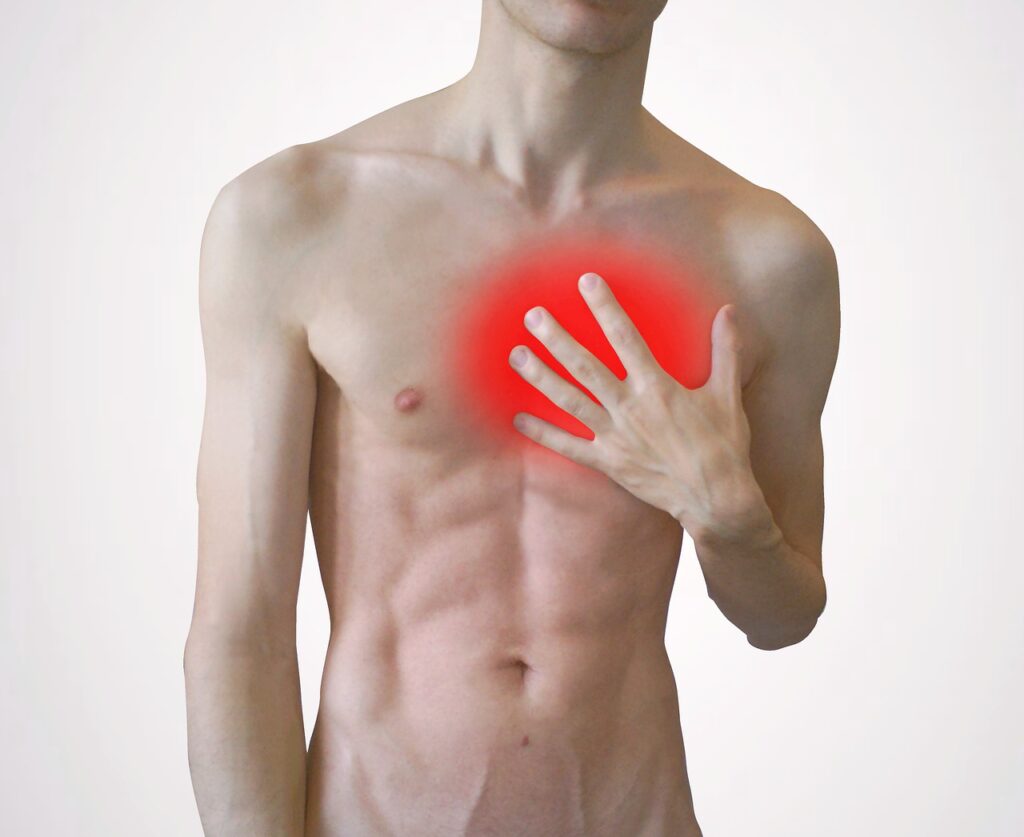
What is a Heart Attack?
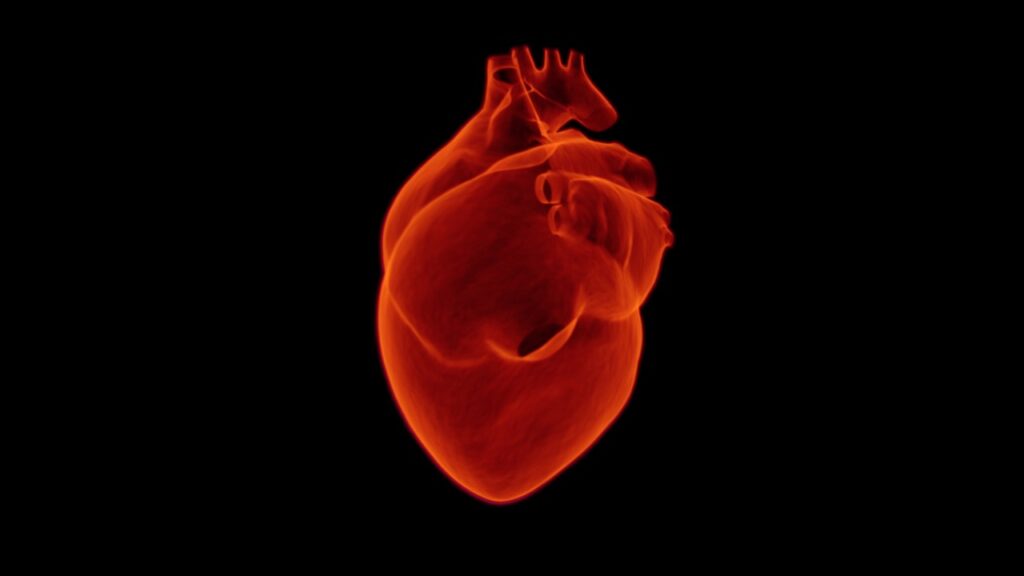
A heart attack happens when one of the coronary arteries, which supply blood to the heart muscle, becomes blocked. The blockage is often caused by a buildup of fat, cholesterol, and other substances, forming a plaque. When the plaque ruptures, a blood clot forms, obstructing blood flow and damaging the heart muscle. Immediate medical attention is essential to restore circulation and minimize heart damage.
Common Symptoms of a Heart Attack
Recognizing a heart attack early can save lives. Symptoms vary between individuals, but the most common signs include:
- Chest pain or discomfort, often described as pressure, squeezing, or fullness
- Pain in the arms, neck, jaw, back, or stomach
- Shortness of breath
- Nausea or vomiting
- Cold sweat
- Lightheadedness or dizziness
- Fatigue or unexplained weakness
Women, older adults, and people with diabetes may experience atypical symptoms, such as sudden fatigue, indigestion, or mild discomfort rather than severe chest pain.
Causes and Risk Factors
Heart attacks are primarily caused by coronary artery disease (CAD). Major risk factors include:
- High Blood Pressure: Puts extra strain on arteries and the heart.
- High Cholesterol: Leads to plaque buildup in arteries.
- Smoking: Damages blood vessels and increases clot formation.
- Obesity: Increases the risk of hypertension, diabetes, and high cholesterol.
- Diabetes: Damages blood vessels and accelerates CAD.
- Sedentary Lifestyle: Lack of physical activity contributes to obesity and heart disease.
- Family History: Genetics can increase susceptibility.
- Stress and Poor Diet: Chronic stress and unhealthy foods can contribute to heart disease.
Understanding these risk factors helps individuals take preventive actions to lower their likelihood of a heart attack.
Immediate Response to a Heart Attack
If a heart attack is suspected:
- Call Emergency Services (911 or local equivalent) immediately.
- Chew an aspirin if advised by a healthcare professional, as it can reduce clotting.
- Keep the person calm and seated. Avoid unnecessary movement.
- If the person loses consciousness and is not breathing, start CPR immediately.
Time is critical. Early intervention reduces heart muscle damage and increases survival rates.
Diagnosis and Medical Treatment
Upon arrival at the hospital, doctors use several tests to confirm a heart attack and assess its severity:
- Electrocardiogram (ECG/EKG): Detects abnormal heart rhythms.
- Blood Tests: Measures cardiac enzymes indicating heart muscle damage.
- Coronary Angiography: Identifies blocked arteries.
- Echocardiogram: Assesses heart function.
Treatment often involves medications (blood thinners, clot-busting drugs, beta-blockers), percutaneous coronary intervention (PCI or stenting), or bypass surgery, depending on the severity and location of the blockage.
Long-Term Management and Recovery
Surviving a heart attack is just the beginning. Long-term management focuses on preventing recurrence and improving heart health:
- Lifestyle Changes: Heart-healthy diet, regular exercise, quitting smoking, and stress management.
- Medications: Blood pressure regulators, cholesterol-lowering drugs, and anti-clotting medications.
- Cardiac Rehabilitation: Structured programs combining exercise, education, and counseling.
- Regular Checkups: Monitoring heart function and adjusting treatments as needed.
Adhering to these measures improves quality of life and reduces the risk of future heart attacks.
Prevention Strategies
Preventing a heart attack requires addressing modifiable risk factors:
- Maintain a balanced diet rich in fruits, vegetables, whole grains, and lean proteins.
- Exercise regularly (at least 150 minutes per week of moderate activity).
- Avoid smoking and limit alcohol consumption.
- Monitor blood pressure, cholesterol, and blood sugar levels.
- Manage stress through meditation, yoga, or relaxation techniques.
- Maintain a healthy weight and sleep 7–8 hours per night.
Prevention is always better than treatment, as it reduces both the risk and severity of potential heart attacks.




Leave a Reply