


High blood pressure, also known as hypertension, is one of the most common yet most dangerous health conditions in the world. Often called the “silent killer,” it rarely shows symptoms until it reaches a severe or life-threatening stage. Millions of people live with high blood pressure without knowing it, while many others ignore early signs. When left untreated, hypertension can damage the heart, kidneys, brain, eyes, and blood vessels, leading to stroke, heart failure, and other deadly diseases.
This article explores the causes, risk factors, long-term health effects, and preventive strategies for managing high blood pressure effectively.
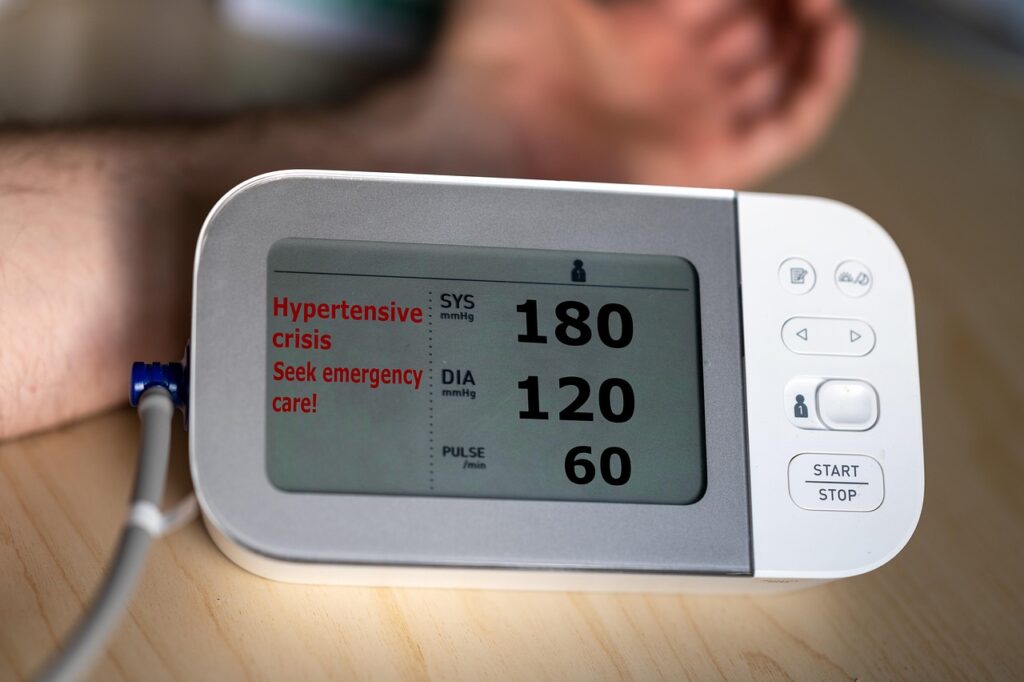
What Is High Blood Pressure?
- Systolic pressure: Pressure during the heartbeat
- Diastolic pressure: Pressure between beats
A typical healthy reading is around 120/80 mmHg.
High blood pressure is diagnosed when readings consistently exceed 130/80 mmHg, according to modern health guidelines.
Hypertension develops when blood vessels become narrow or stiff, forcing the heart to pump harder. Over time, this extra workload weakens both the heart and blood vessels, leading to long-term complications.
Types of High Blood Pressure
1. Primary (Essential) Hypertension
This is the most common type, developing gradually over time due to aging, lifestyle, and genetics.
2. Secondary Hypertension
This type results from underlying medical conditions or medications and can appear suddenly. Causes include kidney disease, thyroid disorders, adrenal gland problems, certain medications, or sleep apnea.
Understanding which type you have can help guide your treatment and lifestyle changes.
Major Causes and Risk Factors
High blood pressure is influenced by various factors — some controllable, others not.
Uncontrollable Risk Factors
- Age: Risk increases after age 40
- Genetics: Family history plays a major role
- Gender: Men face higher early-life risk; women after menopause
- Ethnicity: Hypertension is more common and severe in some groups
Controllable Risk Factors
- Unhealthy diet: High salt, sugar, or processed foods
- Physical inactivity: Sedentary lifestyle weakens the heart
- Smoking: Damages arteries and increases pressure
- Alcohol: Excessive drinking raises blood pressure
- Obesity: Extra weight makes the heart work harder
- Chronic stress: Long-term stress keeps pressure elevated
These controllable factors contribute to more than 90% of high blood pressure cases worldwide. Improving them can reduce the risk dramatically.
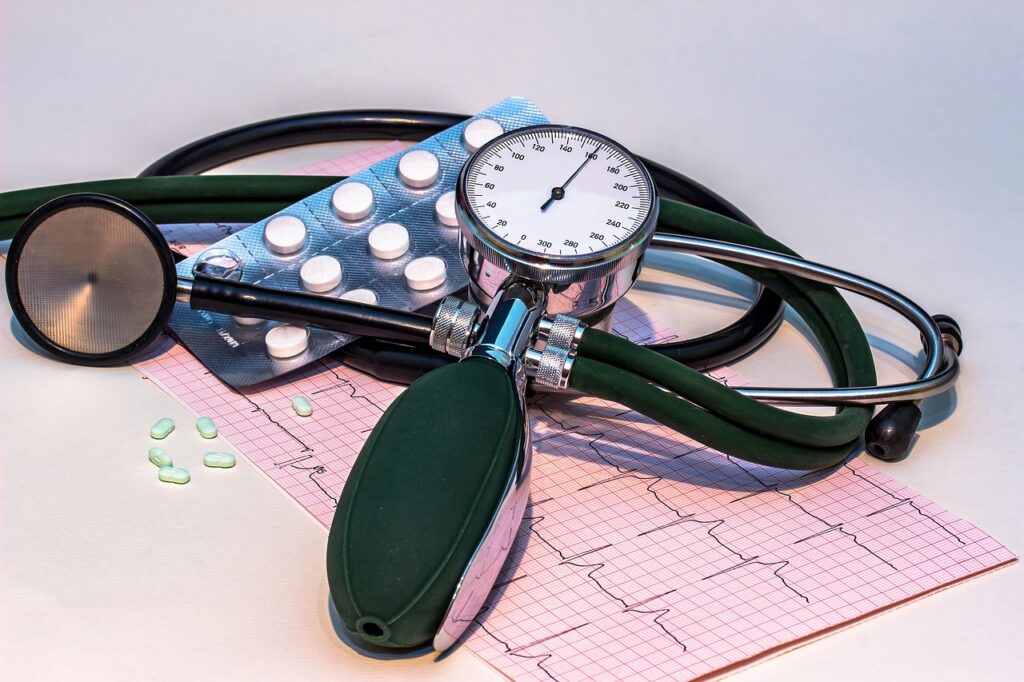
The Silent Nature of Hypertension
Many people believe they would feel symptoms if something was wrong with their blood pressure. In reality, hypertension often produces no signs at all until it is dangerously high.
Some people may experience:
- Headaches
- Nosebleeds
- Chest pain
- Dizziness
- Shortness of breath
However, these symptoms typically occur only during severe or life-threatening spikes known as hypertensive crises. Regular monitoring is essential for everyone, especially adults over 30.
Long-Term Health Risks of Uncontrolled High Blood Pressure
High blood pressure affects nearly every organ in the body. The longer it remains untreated, the more damage it causes.
1. Heart Disease
Hypertension forces the heart to pump harder than normal, leading to:
- Enlarged heart (left ventricular hypertrophy)
- Heart failure
- Heart attack
- Coronary artery disease
Heart disease is the number one killer linked to long-term high blood pressure.
2. Stroke
High pressure can weaken or burst blood vessels in the brain. Even small blood vessel damage can reduce cognitive function and memory.
3. Kidney Damage
The kidneys filter waste through tiny blood vessels. High blood pressure damages these vessels, leading to:
- Chronic kidney disease
- Kidney failure
- Need for dialysis
4. Vision Loss
Hypertension damages the retina — the light-sensitive layer of the eye — causing:
- Blurred vision
- Eye bleeding
- Blindness
5. Sexual Dysfunction
Men may experience erectile dysfunction due to reduced blood flow. Women may experience reduced libido or lubrication issues.
6. Peripheral Artery Disease
Blood vessel damage in the legs leads to pain, reduced mobility, and slower healing.
High blood pressure impacts the entire body, making early prevention and treatment critical.
How to Prevent and Manage High Blood Pressure
Good news: In most cases, hypertension can be prevented or controlled with consistent lifestyle changes and medical care.
1. Reduce Salt Intake
Salt causes the body to retain water, increasing blood pressure.
Limit consumption to less than 5 grams per day (around one teaspoon).
2. Adopt a Heart-Healthy Diet
Focus on:
- Fresh fruits and vegetables
- Lean proteins
- Whole grains
- Low-fat dairy
- Foods rich in potassium and magnesium
Avoid processed snacks, sugary drinks, and trans fats.
3. Exercise Regularly
Aim for:
- 150 minutes of moderate exercise per week
or - 75 minutes of intense exercise per week
Walking, swimming, cycling, and strength training are excellent for heart health.
4. Maintain a Healthy Weight
Losing even 5–10% of body weight can significantly reduce blood pressure.
5. Quit Smoking
Smoking immediately increases your blood pressure and damages blood vessels. Quitting improves heart health within weeks.
6. Limit Alcohol
- Men: up to 2 drinks per day
- Women: up to 1 drink per day
Excessive alcohol raises blood pressure and damages the liver and heart.
7. Manage Stress
Chronic stress keeps blood pressure elevated. Practice:
- Meditation
- Deep breathing
- Yoga
- Adequate sleep
- Time management
8. Regular BP Monitoring
Home monitoring provides early warning signs and helps track improvement.
9. Follow Medical Treatment
Doctors may prescribe medications such as:
- ACE inhibitors
- Beta-blockers
- Diuretics
- Calcium channel blockers
Medication combined with lifestyle changes provides the best results.
High Blood Pressure in Younger Adults
Hypertension is no longer just an older adult problem. Due to:
- high stress,
- poor diet,
- lack of sleep,
- and excessive screen time,
many people in their 20s and 30s are experiencing high blood pressure. Early prevention is crucial because long-term damage begins earlier than expected.
Myths and Misconceptions About Hypertension
Myth 1: “If I feel fine, my blood pressure is fine.”
False — most people feel nothing even with dangerous readings.
Myth 2: “Young people can’t get high blood pressure.”
Hypertension is increasing rapidly among people under 40.
Myth 3: “Medication alone is enough.”
Lifestyle plays an equal or greater role.
Myth 4: “Once treated, I don’t need regular checkups.”
Monitoring ensures the treatment is effective.
Debunking these myths helps people take hypertension more seriously.
High blood pressure is a silent but powerful threat to global health. It develops slowly, often without warning, but causes severe long-term damage if neglected. With proper lifestyle changes, regular monitoring, and appropriate medical support, hypertension can be managed effectively. The sooner steps are taken, the easier it is to protect the heart, brain, and overall well-being. Prevention is always better — and cheaper — than treatment. Understanding high blood pressure today can help save lives tomorrow.
High Blood Pressure
High blood pressure continues to rise worldwide, affecting millions of people in both developed and developing countries. One of the biggest challenges with hypertension is that it often goes unnoticed until major organs are already affected. Because of this silent progression, health experts strongly recommend routine blood pressure checks, even for individuals who feel perfectly healthy. Early detection remains the most effective way to prevent long-term complications.
Lifestyle, Technology, and Modern Habits Increasing Hypertension Cases
Modern living has significantly contributed to rising hypertension rates. Long office hours, lack of physical activity, fast food culture, and mental stress are some of the leading causes. Many people spend most of their day sitting — in cars, at desks, and in front of screens. This inactivity weakens the heart and reduces the flexibility of blood vessels.
Additionally, processed foods have become more common, and they often contain high amounts of sodium, unhealthy oils, and preservatives. These foods gradually increase blood pressure without people realizing the impact of their daily choices. Even teenagers and young adults are now showing signs of prehypertension, which was rare in previous generations.
Technology, despite its benefits, has created habits that indirectly raise blood pressure. Late-night phone use affects sleep quality, and inadequate sleep has been linked to higher blood pressure. Social media stress, combined with reduced outdoor activity, further increases health risks.
Impact of Hypertension on Mental Health
While hypertension is primarily a physical condition, it also has a strong connection to mental health. Long-term high blood pressure has been linked to anxiety, stress, and cognitive decline. When the blood vessels in the brain weaken, the risk of memory problems or concentration issues increases.
On the other hand, mental stress can also raise blood pressure temporarily. If stress becomes chronic, these temporary spikes become more frequent, eventually contributing to sustained hypertension. This creates a cycle where mental and physical health influence each other.
Practices such as mindfulness, breathing exercises, journaling, and adequate sleep have been proven to reduce stress levels. People with high-stress jobs or environments can greatly benefit from these simple daily practices.
Hypertension and Diet: What Should You Eat?
Food plays a central role in preventing and managing hypertension. The DASH diet (Dietary Approaches to Stop Hypertension) is one of the most recommended eating plans for blood pressure control. It emphasizes:
- Fresh fruits and vegetables
- Whole grains such as oats, brown rice, and quinoa
- Low-fat dairy products
- Lean protein sources like chicken, fish, beans, and legumes
- Healthy fats from nuts, seeds, and olive oil
This diet is low in sodium and rich in potassium, magnesium, and fiber — all of which help relax blood vessels and regulate fluid balance in the body.
People with high blood pressure should limit salty snacks, canned foods, fast foods, and anything with artificial preservatives. Reducing caffeine and replacing sodas with water can also improve overall heart health.
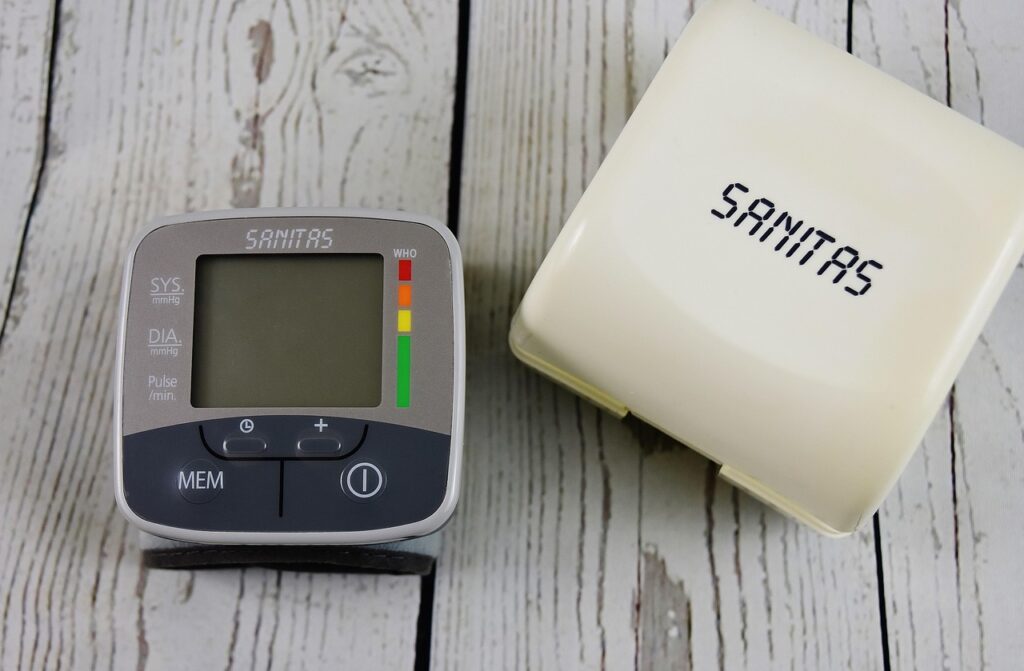
The Role of Regular Checkups
Because hypertension progresses silently, regular checkups are essential. Home blood pressure monitors make tracking easy and affordable. Recording readings consistently helps identify patterns and warns individuals when pressures begin to rise. Doctors can use this data to adjust treatment plans early, preventing complications.
For people with a family history of hypertension, checkups are even more critical. Genetics cannot be changed, but early action can delay or completely prevent the onset of high blood pressure.
Final Thoughts
High blood pressure is one of the most preventable chronic diseases. With awareness, lifestyle adjustments, and routine monitoring, people can protect their heart, brain, and kidneys from long-term damage. Every small step — eating healthier, walking daily, sleeping well, and managing stress — contributes to a healthier, stronger future.




Leave a Reply