


For over four decades, HIV has been a formidable global health challenge, a virus that sparked fear, confusion, and a devastating pandemic. Yet, the story of HIV is also one of the most remarkable in modern medicine—a tale of scientific triumph, relentless activism, and profound hope. From a once certain death sentence, HIV has been transformed into a manageable chronic condition for those with access to care. However, the battle is far from over. Misinformation, stigma, and access disparities continue to hinder progress.
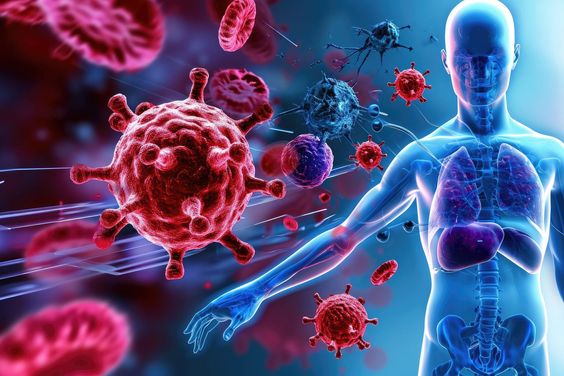
This article provides a deep dive into the world of HIV, exploring the fundamental science of the virus, the journey from infection to AIDS, the revolutionary treatments that have changed lives, and the ongoing fight for a cure and a world free of stigma.
What is HIV? The Basic Science
HIV, or Human Immunodeficiency Virus, is a virus that attacks the body’s immune system, specifically the CD4 cells (often called T-cells). These cells are crucial white blood cells that coordinate the immune response to fight off infections and diseases.
Think of your immune system as your body’s army. CD4 cells are the generals. They identify pathogens like bacteria, viruses, and fungi and orchestrate the attack to eliminate them. HIV’s primary target is these very generals.
The virus is a retrovirus, meaning it uses RNA as its genetic material instead of DNA. Once it enters the bloodstream, it seeks out a CD4 cell, attaches to it, and releases its RNA inside. Using a special enzyme called reverse transcriptase, the virus converts its RNA into DNA. This viral DNA then gets integrated into the host cell’s own DNA using another enzyme called integrase. Now, the infected CD4 cell becomes a factory for producing new copies of HIV. Eventually, these new virus particles bud off from the cell, destroying it in the process, and go on to infect more CD4 cells.
This cycle repeats itself relentlessly. Over time, sometimes over several years, the number of CD4 cells in the body declines significantly. When the CD4 count drops below a critical level (typically 200 cells per cubic millimeter of blood) or when certain opportunistic infections or cancers appear, the person is diagnosed with AIDS.
AIDS: The Advanced Stage
AIDS, or Acquired Immunodeficiency Syndrome, is not a separate disease but the final and most severe stage of HIV infection. A person is said to have progressed to AIDS when their immune system is so badly damaged that it can no longer fend off opportunistic infections—illnesses that take advantage of a weak immune system.
These opportunistic infections can include:
- Pneumocystis jirovecii pneumonia (PCP): A severe lung infection.
- Toxoplasmosis: An infection that can affect the brain.
- Candidiasis (thrush): A fungal infection in the mouth, throat, or vagina.
- Tuberculosis (TB): A leading cause of death in people with AIDS worldwide.
- Certain cancers: Such as Kaposi’s sarcoma and lymphoma.
It is crucial to understand that not everyone with HIV has AIDS. With modern treatment, most people with HIV will never develop AIDS.
Transmission: How HIV Spreads and How It Doesn’t
HIV is transmitted through certain body fluids from a person who has a detectable viral load. These fluids are:
- Blood
- Semen and pre-seminal fluid
- Rectal fluids
- Vaginal fluids
- Breast milk
The most common routes of transmission are:
- Unprotected Sexual Contact: Having vaginal or anal sex without a condom with a person who has HIV. The virus can enter the body through the mucous membranes of the genitals, rectum, or mouth.
- Sharing Injection Drug Equipment: Sharing needles, syringes, or other equipment used to prepare and inject drugs can expose a person to another person’s blood.
- Mother-to-Child Transmission: During pregnancy, childbirth, or breastfeeding. However, with proper medical care and treatment, the risk of transmission can be reduced to less than 1%.
How HIV is NOT Transmitted:
Dispelling myths is critical to combating stigma. HIV cannot be transmitted through:
- Air or water
- Mosquitoes, ticks, or other insects
- Saliva, tears, or sweat (unless mixed with the blood of a person with HIV)
- Hugging, shaking hands, or sharing toilets
- Closed-mouth or “social” kissing
- Sharing food or drinks
The Journey of Infection: Stages and Symptoms
An HIV infection typically progresses through three stages if left untreated.
Stage 1: Acute HIV Infection
This occurs 2-4 weeks after infection. The virus is replicating rapidly, and the person may experience flu-like symptoms such as fever, chills, rash, night sweats, muscle aches, sore throat, and swollen lymph nodes. These symptoms are often mistaken for a common cold or flu. During this stage, the viral load is very high, making the person highly infectious. Many people, however, may not experience any noticeable symptoms at all.
Stage 2: Clinical Latency (Chronic HIV Infection)
After the acute stage, the virus remains active but reproduces at very low levels. People in this stage may not have any symptoms or feel sick. This period can last for a decade or longer, but for some, it may progress faster. With Antiretroviral Therapy (ART), this stage can last for several decades. The virus is still transmissible during this time, but effective treatment that suppresses the viral load to undetectable levels eliminates the risk of sexual transmission.
Stage 3: Acquired Immunodeficiency Syndrome (AIDS)
As described earlier, this is the most severe stage. Without treatment, people with AIDS typically survive about three years.
The Revolution: HIV Testing, Treatment, and Prevention
The landscape of HIV has been utterly transformed by advances in testing, treatment, and prevention strategies.
Testing: The First Step to Empowerment
Knowing your status is the most powerful first step. Modern HIV tests are highly accurate and can provide results in minutes.
- Fourth-Generation Antigen/Antibody Tests: These are the standard blood tests used in clinics. They can detect HIV as early as 18-45 days after exposure.
- Rapid Self-Tests: These use oral fluid or blood from a finger prick and can provide results in 20 minutes. A positive result from a self-test must always be confirmed by a lab test.
Treatment: Antiretroviral Therapy (ART)
ART is the use of a combination of HIV medicines to treat the infection. It is recommended for everyone with HIV, regardless of how long they’ve had the virus or how healthy they are. ART isn’t a cure, but it controls the virus, allowing people to live long, healthy lives and dramatically reducing the risk of transmission.
ART works by blocking the virus at different stages of its life cycle. A typical regimen combines drugs from at least two different classes to prevent the virus from developing resistance. The ultimate goal of ART is to achieve and maintain an undetectable viral load. This means the level of HIV in the blood is so low that a standard lab test can’t detect it.
U=U: Undetectable = Untransmittable
This is one of the most significant public health breakthroughs of the 21st century. Rigorous scientific evidence has conclusively shown that people with HIV who take their medication as prescribed and maintain an undetectable viral load cannot sexually transmit the virus to others. This message is a powerful tool against stigma, transforming the social and sexual lives of people living with HIV.
Prevention: A Multi-Faceted Approach
Prevention strategies have evolved into a robust toolkit.
- Condoms: Consistent and correct use of condoms during sex remains a highly effective barrier against HIV.
- Pre-Exposure Prophylaxis (PrEP): This is a daily pill (like Truvada or Descovy) for HIV-negative people at high risk of infection. When taken as prescribed, PrEP is over 99% effective at preventing HIV from sex.
- Post-Exposure Prophylaxis (PEP): This is an emergency medication taken by an HIV-negative person after a potential exposure (e.g., a condom break, sexual assault, or needlestick injury). It must be started within 72 hours and taken for 28 days.
- Harm Reduction: Providing sterile needles and syringes to people who inject drugs prevents the transmission of HIV and other blood-borne diseases.
- Prevention of Mother-to-Child Transmission: As mentioned, ART given to mothers and their newborns drastically reduces the risk.

The Unfinished Battle: Stigma, Mental Health, and the Search for a Cure
Despite the scientific progress, significant challenges remain.
Stigma and Discrimination: HIV-related stigma is rooted in fear, misinformation, and outdated beliefs about how the virus is transmitted. It can lead to discrimination in healthcare, employment, and social settings, causing people to avoid getting tested or seeking treatment. The language we use matters—moving away from terms like “AIDS victim” to “person living with HIV” is part of a humanizing process.
Mental Health: Living with a chronic illness like HIV can take a toll. Depression, anxiety, and other mental health conditions are more common among people living with HIV. Integrated care that addresses both physical and mental health is essential for overall well-being.
The Search for a Cure: While ART is life-saving, it is not a cure. The virus can hide in a dormant state in “reservoirs” within the body, and if treatment is stopped, it rebounds. Researchers are pursuing two main paths:
- Sterilizing Cure: This would completely eradicate all HIV from the body. This is the ultimate goal but has proven extremely difficult.
- Functional Cure: This would suppress the virus to undetectable levels without the need for lifelong ART. The “Berlin Patient” and the “London Patient,” both cured after stem cell transplants from donors with a rare genetic mutation, provide proof of concept, but this approach is too risky and complex for widespread use.
Vaccine Development: The development of an effective HIV vaccine has been challenging due to the virus’s rapid mutation rate. However, numerous trials are ongoing, and scientists continue to learn from each attempt.
Living with HIV Today: A New Reality
The reality for a person diagnosed with HIV today is vastly different from that of the 1980s and 90s. With early diagnosis and consistent treatment, a person living with HIV can expect to have a near-normal life expectancy. They can work, have healthy relationships, have children without passing on the virus (thanks to U=U and medical interventions), and pursue their dreams.
The key is engagement in care. This means regular check-ups with a healthcare provider, adhering to the prescribed ART regimen, and maintaining a healthy lifestyle.
From Crisis to Control
The journey with HIV has been long and painful, marked by immense loss. But it is also a story of human resilience and ingenuity. We have moved from a place of panic and powerlessness to one of knowledge and control. We have the tools to prevent new infections and the treatment to allow those living with the virus to thrive.
The work now is to ensure these tools reach everyone, everywhere. It is to replace fear with facts, and stigma with support. The goal is no longer just survival; it is a full and dignified life for all people affected by HIV, and ultimately, a world without AIDS.


Leave a Reply