


Vaccination remains one of the most powerful tools in modern medicine. It has helped eliminate deadly diseases, reduce childhood mortality, and strengthen community health. Yet, despite decades of evidence, many people still underestimate the importance of immunization. This article explores the key benefits of vaccines, explains how they protect individuals and communities, and highlights why staying updated with recommended vaccinations is essential for a healthier future.
Better Protection Against Infectious Diseases
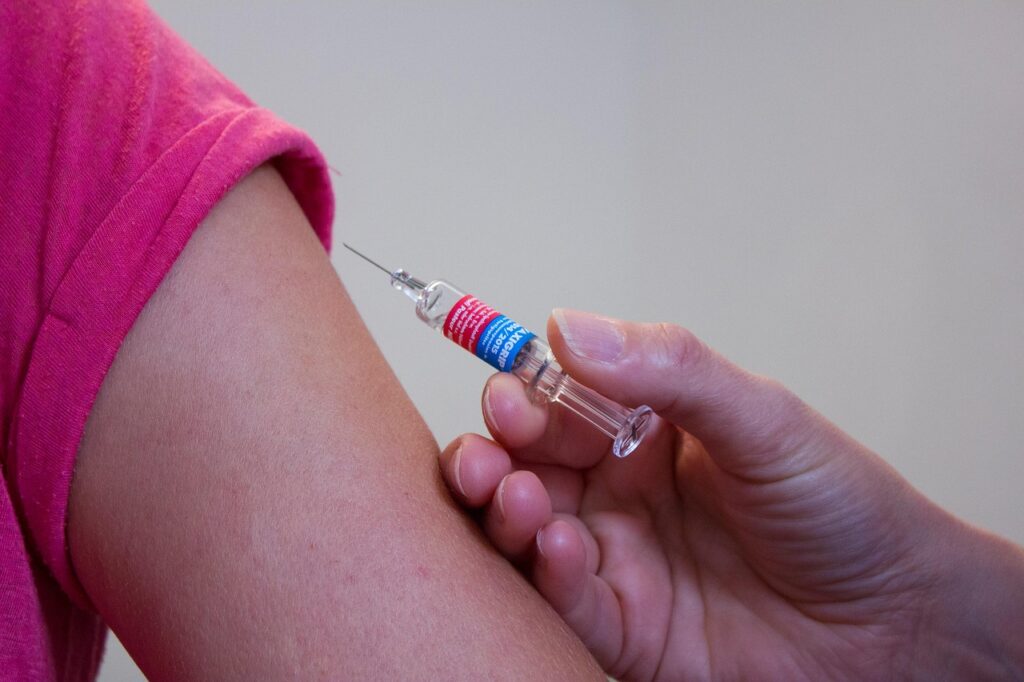
Vaccines are designed to train the immune system to recognize and fight harmful pathogens. Once vaccinated, your body remembers how to respond when it encounters the real virus or bacteria. This reduces your risk of severe illness, long-term complications, or hospitalization.
Diseases like measles, polio, diphtheria, hepatitis, and influenza once caused widespread illness and death. Today, they are far less common thanks to strong global vaccination programs. Without vaccines, these diseases would quickly return and spread, putting millions of lives at risk.
Vaccines Reduce Hospitalizations and Medical Costs
One of the greatest benefits of vaccines is the reduction in healthcare expenses. When fewer people become seriously ill, hospitals face less burden, and individuals avoid costly treatments. Preventing disease is always less expensive than curing it.
Vaccination programs have saved billions of dollars in medical costs every year by preventing disease outbreaks, reducing emergency care visits, and lowering the need for expensive medications. For families, this means fewer missed workdays, less financial stress, and better long-term health.
Community Immunity Protects Everyone
Vaccination is not just a personal choice—it’s a responsibility to others. When a large portion of the population is vaccinated, the spread of disease slows down significantly. This creates community immunity, also known as herd immunity.
Community immunity protects people who are unable to get vaccinated, such as:
- Infants too young for certain vaccines
- Elderly individuals with weak immune systems
- Cancer patients undergoing chemotherapy
- People with chronic illnesses or allergies
By getting vaccinated, you help protect these vulnerable groups from life-threatening diseases.
Vaccines Prevent Long-Term Complications
Some infectious diseases have long-lasting or permanent effects on the body. Even after recovery, patients may experience chronic issues such as:
- Heart complications
- Lung damage
- Neurological problems
- Organ failure
- Developmental delays in children
Vaccines provide a safe and effective way to avoid these complications altogether. For example, the HPV vaccine prevents cervical cancer, while the hepatitis B vaccine reduces the risk of liver cancer. Similarly, the flu vaccine lowers the risk of severe heart-related complications in people with chronic conditions.

Modern Vaccines Are Safe and Well-Tested
Before any vaccine is approved, it goes through years of research, clinical trials, and strict safety evaluations. Health organizations such as the WHO, CDC, and FDA continuously monitor vaccines for safety even after they are approved.
Side effects are generally mild—such as soreness at the injection site, low fever, or fatigue—and temporary. Serious side effects are extremely rare. The benefits of vaccination overwhelmingly outweigh any potential risks.
Modern science has made vaccines safer than ever, with ongoing updates and improvements to keep them effective against emerging pathogens.
Vaccination Helps Control Global Pandemics
The COVID-19 pandemic showed the world how powerful vaccines can be in slowing and eventually controlling widespread outbreaks. Immunization played a critical role in reducing hospital admissions, preventing deaths, and helping communities return to normal life.
Vaccines remain a key tool for preventing future pandemics as well. Fast-response vaccine development can help stop infectious diseases before they spread globally. Continued research and investment in vaccine technology will protect both current and future generations.
Vaccines Support a Healthier Future for Children
Childhood vaccination is one of the best investments in future health. Children who are vaccinated enjoy:
- Stronger immunity
- Lower risk of severe diseases
- Better school attendance
- Improved overall development
Vaccinating children also helps ensure that once-eliminated diseases do not return. For example, countries with low vaccination rates often see unexpected outbreaks of measles or polio, putting children at risk. Strong vaccination coverage protects families and keeps communities healthier.
Why Adults Need Vaccines Too
Many adults mistakenly believe vaccines are only for children. In reality, adult vaccinations are equally important. Immunity can fade over time, and some vaccines require boosters. Adults may also face new risks due to work, travel, or aging.
Recommended adult vaccines include:
- Influenza (annual)
- COVID-19
- Tetanus and diphtheria (booster every 10 years)
- Hepatitis A and B
- HPV
- Shingles
- Pneumococcal vaccines (for older adults or high-risk individuals)
Keeping up with adult immunization protects not only you but also your family and colleagues

Vaccination remains one of the safest, simplest, and most effective ways to protect yourself, your family, and your community from deadly diseases. It prevents outbreaks, reduces healthcare costs, and contributes to a healthier society. As science continues to evolve, vaccines will play an even greater role in shaping global health. Staying informed and staying vaccinated is essential for building a safer and healthier future for everyone.


Leave a Reply