


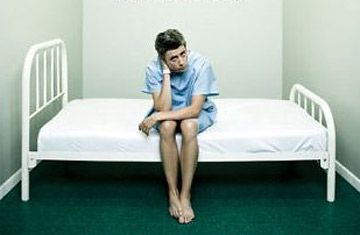
Conditions of mental hospital patients Mental hospitals should be the safes of recovery and assistance of people with severe psychiatric disorders. However, beyond these walls there is a complicated reality that is characterized by overcrowding, staff shortages, stigma, and lack of rehabilitation opportunities. The knowledge of the circumstances in which mental hospital patients live is not only useful to improve the results of the treatment process but also to maintain the basic human dignity of a patient. This article discusses the daily life of patients, structural issues that define these settings, and implementable changes that can effectively change the care situation.

What Do Conditions in Mental Hospitals Mean?
When we discuss the conditions, we are referring to the physical, therapeutic, social, and emotional setting that patients live in day to day life. This will encompass living conditions, health care, privacy, routine, therapy plans, communication with personnel and the general institution culture. A caring and well-organized surrounding facilitates a recovery process, and an abandoned or repressed one may exacerbate the symptoms and trauma.
The Physical Environment: The Safety and Humanity Balance
It is also true that in mental hospitals the priority is always on safety, yet the dignity should not be compromised. Some of the issues that many facilities continue to grapple with are obsolete buildings, poor lighting, crowded rooms, and little personal space. Spending time with several patients in small rooms usually eliminates privacy and creates stress.
The current trends in mental health care focus on the healing environment, which is emphasized by natural lighting, comfortable chairs, relaxing color scheme as well as solitude and meditation spots. Patients require an atmosphere that promotes stability – not that which appears punitive and isolating. Patient recovery rates and emotional well-being directly depend on the quality of physical surroundings.
Staffing Shortages as a Chronic Problem and its Effect on Care
The lack of trained mental health professionals is one of the biggest issues. It is common to have nurses, psychiatrists, and therapists having more patients than they should. This minimizes effective communication, undermines crisis management and reduces access to therapy.
Patients are less emotionally supported, have less one-on-one communication, and are not consistently monitored when the staff are overworked. Hospitals should invest in the recruitment of experienced employees, competitive wages, and training on trauma-informed care to advance patient conditions.
Therapeutic Interventions: Non-pharmaceutical
Psychiatric care involves medication and more than that. Ideally, the mental hospitals ought to provide:
- Psychotherapy
- Group therapy
- Group therapy
- Occupational therapy
- Social work support
- Crisis intervention
- Reintegration into the community
It would be unfortunate to find that most institutions do not have diversified therapies because of financial constraints. Lack of structured therapeutic routines will expose the patient to boredom, emotional stagnancy or reliance on medications in isolation. Wholesome approach assists the patients to develop coping, confidence and independence.
What Are The Best Ways To Find Out What Your User Wants?
Restraints and involuntary treatment are still the subjects of debates. In certain situations, they are considered to be for safekeeping, but at the same time, they must be applied according to strict legal and medical regulations. Patients may suffer psychological trauma and lose trust in the healthcare system if restraints are applied excessively or when they are not needed.

Modern psychiatry is more than ever, realistically, ethical respecting patients’ rights:
- Their active participation in treatment decisions
- Patients being treated in a professional manner
- Plans for care that are unique to each patient
- Full explanation of medications and therapies
To empower and work together with patients rather than control them through restrictions is to create a healthy and more humane environment.
Stigma and Social Isolation Inside and Outside the Hospitals
The stigma associated with mental health has not changed and still continues to influence patients’ experiences. Some people have the feeling that they are being judged, not understood, or simply ignored even in the hospitals, and mighty, to put it that way, this can happen either through inappropriate remarks, lack of feeling, or staff fatigue.
In the outside world, the stigma impacts the job, place to live, friendships, and the healing process that is not easily lost. Therefore, addressing stigma necessitates units of:
- Compassionate communication staff training
- Public awareness campaigns
- Involvement of former patients in advocacy and planning
- Media responsibility in the manner of mental illness portrayal
By reducing stigma, society gives patients a chance to assert their re-integration into it with dignity and sense of purpose.
The Overlooked Importance of Physical Health
Chronic diseases like diabetes, high blood pressure, or bad dental health are common among mental hospital patients. Nevertheless, their physical well-being is sometimes neglected as a result of the strong focus on psychiatric symptoms.
Care of the highest quality must encompass:
- Regular medical check-ups
- Oral health treatments
- Programs for physical activity and movement
- Dietary counseling
- Observing side effects of drugs
The link between mental and physical health is very strong – curing one benefits the other.
Daily Routine, Structure, and Rehabilitation Programs
A daily routine with fixed time brings emotional stability. Some activities that mental hospitals should highly include are:
- Group discussions
- Skill development workshops
- Education programs
- Work therapy
- Recreational activities
- Outings in community
- Peer support sessions
The lack of structure may lead to the patients feeling bored, anxious, and their recovery might be delayed. Rehabilitation process not only empowers but also makes the individuals ready for the world outside the hospital.
Discharge Planning and Aftercare
The moment of the transition from a mental hospital is a delicate one. Poor discharge planning might cause a patient to go through the unfortunate incidents of becoming homeless, relapsing, or being hospitalized again.
The following are the main components of aftercare:
- Therapy appointments are prearranged
- Follow-up visits for medications
- Social services are backing
- Housing support
- Career counseling
- Participation in groups of peers for support
The sick are guided through an entire aftercare plan to prevent the occurrence of crises and also to assure their recovery in the long run.
Successful Models and Reform Opportunities
The global psychiatry has modern systems that can be good examples for other countries:
- community care centers
- crisis stabilization units
- peers recovery homes
- trauma and patient-centered care
- cooperation between medical and social service agencies
The main changes in the system should be the ones that will reduce hospital stay and dependency, improve outpatient support, and renovate the facilities. Ultimately, the mental health investments it consumes through emergencies, homelessness, and unemployment will be less, and thus, the savings will come from mental health investment.
Society and Policy Makers Should Take Active Part in This Process
The demand for better patient care calls for united efforts:
- Government financial support for mental health should be raised
- Community services should be extended to avoid long hospital stays
- Mental health experts should be educated in larger numbers
- Human-rights-based criteria for psychiatric care should be established and adhered to
- Anti-stigma campaigns should be promoted at national level
- Families and caregivers should be assisted through educational programs
The care of mental patients is to be done with compassion, dignity, and scientific advancement as the basis.


Leave a Reply to Top Health Insurance: Benefits, Plans, and How to Choose Cancel reply